
News

News
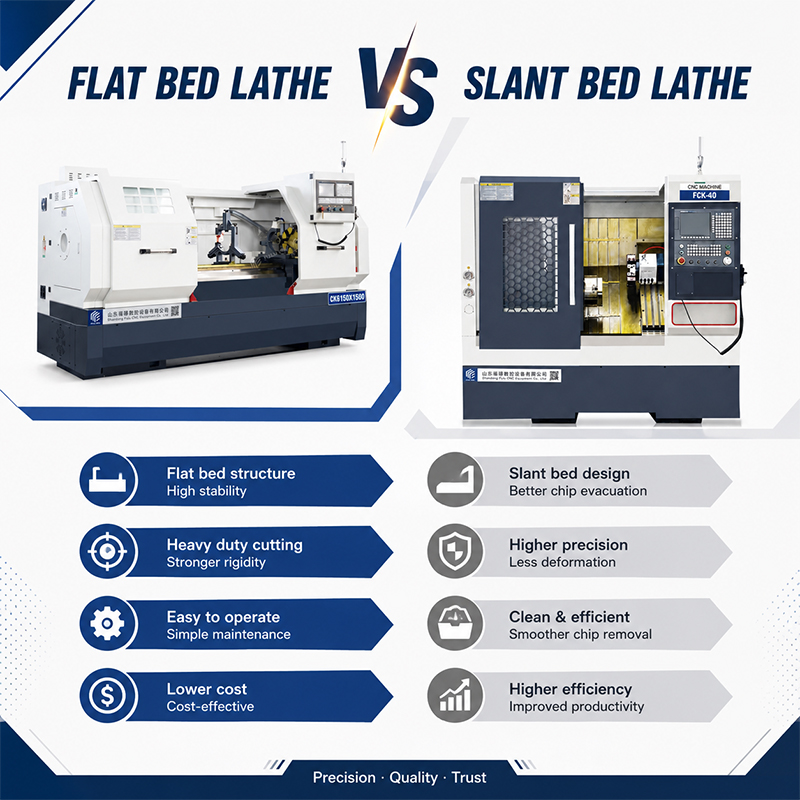
In the modern metalworking industry, both CNC horizontal lathes and CNC slant-bed lathes are widely used CNC equipment. Many customers face the same question when purchasing equipment: what exactly is the difference between horizontal lathes and slant-bed lathes? Which one is more suitable for their machining needs?
In fact, although both types of equipment belong to CNC lathes, there are significant differences in bed structure, machining efficiency, machining accuracy, automation level, and applicable industries. Choosing the right equipment can not only improve production efficiency but also reduce production costs.
This article will introduce the differences between horizontal lathes and slant-bed lathes from multiple perspectives to help you select the most suitable CNC equipment based on your machining requirements.
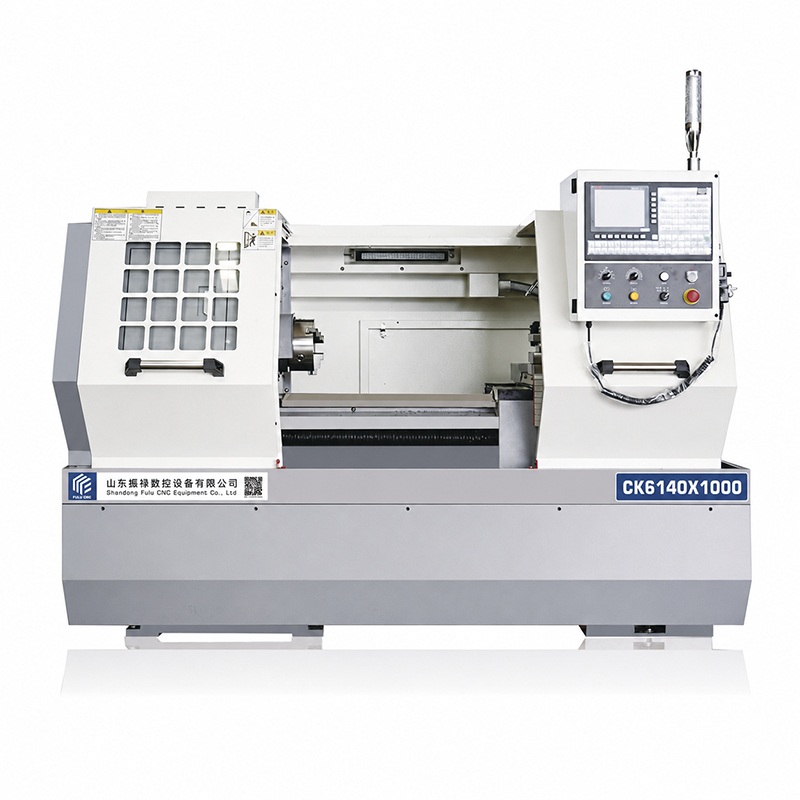
A CNC horizontal lathe uses a traditional horizontal bed structure, with the guide rails kept level to the ground, and the spindle and tailstock installed on the same horizontal line. Due to its mature structure and lower manufacturing cost, it has long been one of the most widely used turning machines in the machining industry.
Horizontal lathes have a large load capacity and are especially suitable for machining shafts, discs, flanges, sleeves, and other conventional parts. For small to medium batch production, maintenance machining, and general mechanical manufacturing enterprises, horizontal lathes offer a high cost-performance ratio.
In recent years, with continuous upgrades to CNC systems, modern horizontal lathes have features such as automatic programming, high-precision machining, and stable operation, maintaining broad market demand in traditional manufacturing industries.

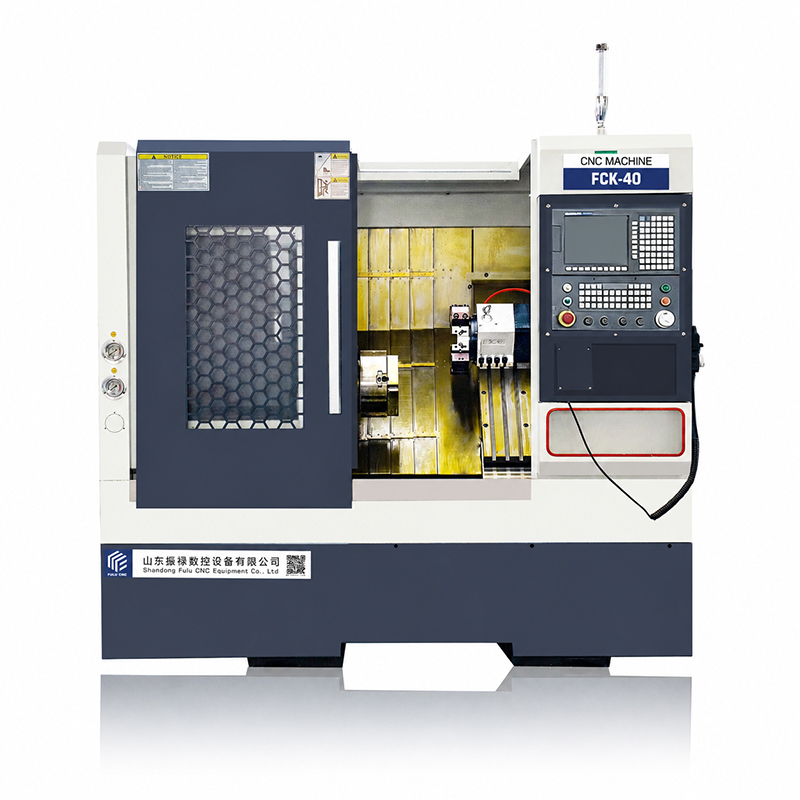
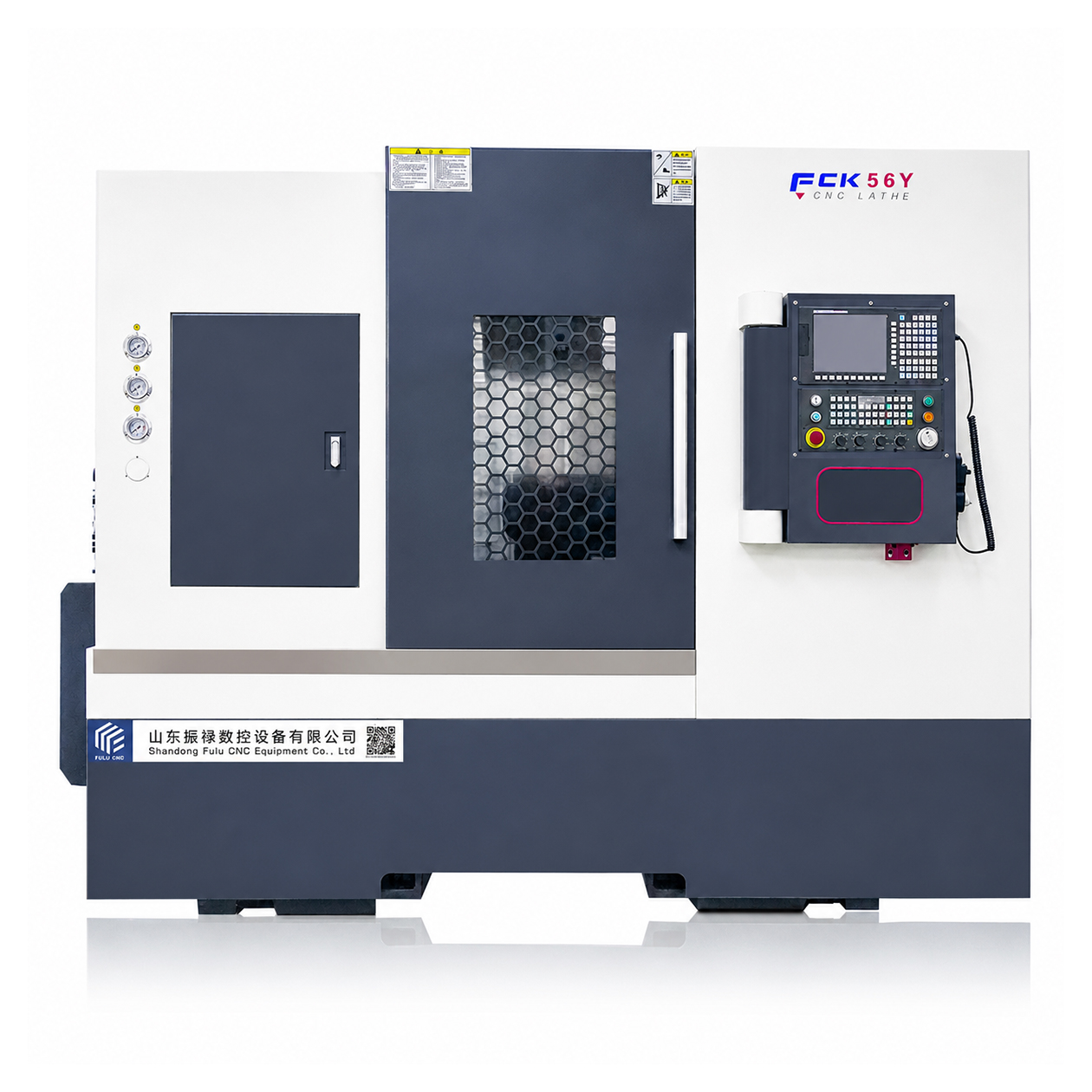
A CNC slant-bed lathe adopts an integral slant bed design, with the guide rails typically forming an angle of 30°, 45°, or 60° with the horizontal plane. For exampleFCK40 and FCK56 etc. Compared to horizontal lathes, slant lathes have a more compact structure and higher overall rigidity.
Due to the inclined bed, the metal chips generated during cutting can quickly fall off by gravity, preventing accumulation near the guide rails and tool post, making it more suitable for long-term continuous machining.
Modern slant lathes are usually equipped with hydraulic chucks, hydraulic tailstocks, servo turrets or powered turrets, and support automation configurations such as automatic feeders and robotic loading and unloading, thus widely used in automotive parts, aerospace, medical devices, and precision parts machining industries.
With the development of intelligent manufacturing, slant lathes have become an important part of automated production lines.

The main feature of a horizontal lathe is its horizontal bed. The equipment has a lower overall center of gravity, simple structure, easy maintenance, and good load capacity for large shaft parts.
The slant lathe adopts an inclined bed design, making the spindle, turret, and guide rails form a more reasonable force structure. Cutting forces can be directly transmitted to the bed, greatly enhancing the rigidity of the entire machine.
Due to gravity, metal chips can automatically slide into the chip conveyor without accumulating in the machining area, which improves machining efficiency and reduces manual cleaning time.
For continuous processing, the slant lathe has more obvious advantages.
One of the important factors affecting machining quality is equipment rigidity.
The horizontal lathe, due to its horizontal bed structure, can meet the machining needs of most parts under normal processing conditions. However, under high-speed cutting or heavy cutting conditions, its overall vibration resistance is relatively weak.
The slant lathe, with its integrated inclined structure, forms a stable triangular force relationship among the spindle, turret, and bed, thus having higher rigidity. During high-speed machining, it experiences less vibration, more uniform tool force, more stable machining dimensions, and easier control of workpiece surface roughness.
Especially when machining high-precision shaft parts, automotive components, and aerospace parts, the slant lathe can better ensure dimensional consistency and machining quality.
For ordinary mechanical processing factories, maintenance processing enterprises, and customers with limited budgets, the horizontal lathe remains a very practical choice. It has a mature structure, is easy to maintain, has lower investment costs, and can meet the machining needs of the vast majority of conventional parts.
For automotive manufacturing, precision parts processing, medical devices, aerospace, and automated production enterprises, the slant lathe has more advantages. It not only offers high machining accuracy but is also suitable for long-term continuous operation, effectively improving production efficiency and product consistency.
If a company plans to build an intelligent production line in the future, the slant lathe is also easier to integrate with robots, automatic feeders, and MES systems, providing greater development space for subsequent upgrades.
Therefore, equipment selection does not have an absolute advantage or disadvantage but should be comprehensively considered based on the processed products, batch size, automation requirements, and budget.
If your main products are ordinary shaft parts, sleeves, flanges, and other conventional parts, and you mainly produce in small to medium batches, the horizontal lathe can meet production needs with relatively low investment.
If you prioritize machining efficiency, product precision, and automation level, or need long-term stable production of precision parts, then a slant lathe would be a more ideal choice.
With the continuous upgrading of the manufacturing industry, more and more companies are adopting slant lathes combined with automatic feeding systems to achieve unmanned production and enhance market competitiveness.
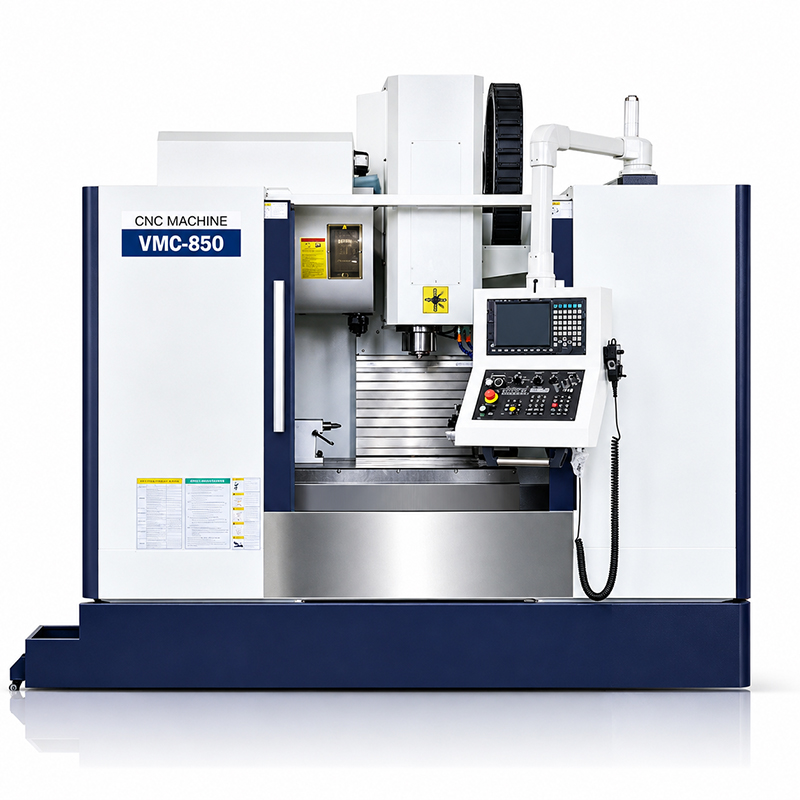
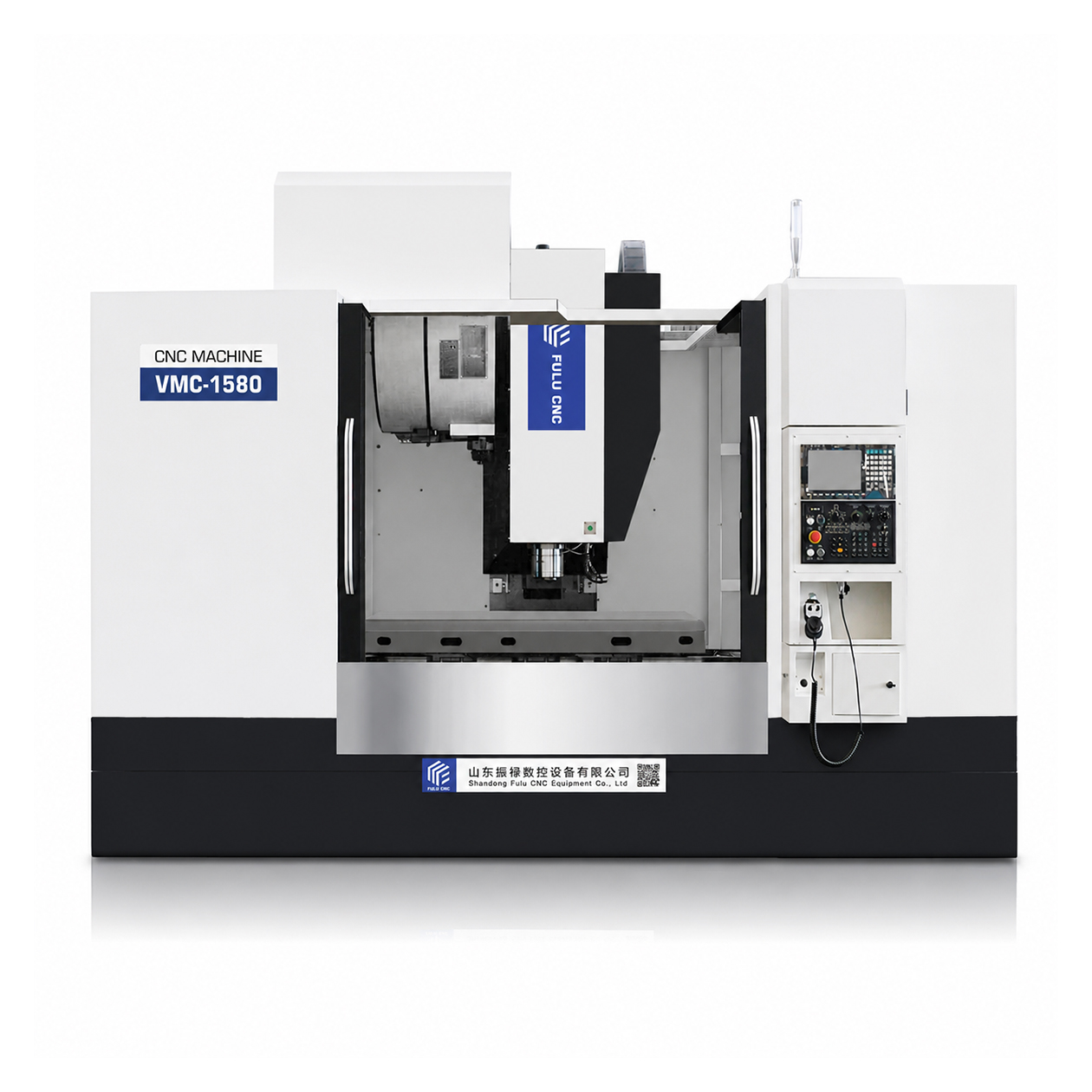
FULUCNC focuses on the research and manufacturing of CNC engine lathes, CNC slant lathes, and vertical machining centers, with products exported to Canada, Peru, Brazil, Mexico, Colombia, the UAE, and other countries and regions.
We can provide engine lathes such as CK6150, CK6163, CK6180,CK6186,and slant lathes such as FCK40, FCK50, FCK56 according to customer machining needs, supporting various configurations including hydraulic chucks, hydraulic tailstocks, power turrets, automatic feeders, and robotic loading and unloading, to create more efficient and intelligent machining solutions for customers.
If you are selecting a suitable CNC lathe, welcome to contact FULUCNC. We will recommend the most suitable equipment solution based on your product type, machining precision, and production requirements.


Plsease input value
Plsease input value
Plsease input value
Plsease input value
Plsease input value
